
Vitamins and Minerals in Everyday Foods: Can Food Alone Meet Your Nutritional Needs?
Focus keyphrase: vitamins and minerals in everyday foods
SEO title: Vitamins and Minerals in Everyday Foods | Europe Guide
Meta description: Learn how vitamins and minerals in everyday foods support balanced nutrition, when supplements may be useful, and how to make informed choices in Europe.
Suggested URL slug: vitamins-minerals-everyday-foods
Category: Healthy Living & Nutrition
Featured image filename: vitamins-minerals-everyday-foods-europe.webp
Featured image ALT text: Vitamins and minerals in everyday foods including vegetables, fruit, whole grains, nuts and eggs
Introduction
Vitamins and minerals in everyday foods help support a balanced diet and provide nutrients the body needs for normal functions. Foods such as vegetables, fruit, beans, whole grains, eggs, dairy products, nuts and fish can all contribute different vitamins and minerals to your daily eating pattern.
But can food alone meet everyone’s nutritional needs?
For many people, a varied and balanced diet can provide most of the nutrients they need. However, requirements differ according to age, life stage, dietary habits, health circumstances and other individual factors. Some people may need a supplement because of a specific nutritional requirement or professional recommendation.
Whether you live in Italy, Germany, France, Spain or another European country, understanding the nutrients in everyday foods can help you make better-informed choices.
In this guide, we explain common food sources of vitamins and minerals, how to build a varied diet, and when it may be appropriate to consider nutritional supplements.
1. Why Are Vitamins and Minerals Important?
Vitamins and minerals are micronutrients: the body needs them in relatively small amounts, but they have important roles in normal body functions.
Different nutrients perform different functions. For example, vitamin C contributes to normal collagen formation and helps increase iron absorption from foods. Vitamin D contributes to the maintenance of normal bones and teeth. Calcium is needed for the maintenance of normal bones, while iron contributes to normal oxygen transport in the body.
These examples illustrate why variety matters. No single food provides every nutrient in the amounts that every person needs.
The European Food Safety Authority (EFSA) publishes scientific information about dietary reference values for nutrients. These values help inform nutrition policies and guidance, but individual needs may differ.
2. Everyday Foods That Provide Vitamins
Different foods contain different vitamins. Including a range of foods across the week is a practical way to improve dietary variety.
Vitamin C: Fruit and Vegetables
Common sources include:
- Oranges and other citrus fruits
- Kiwi fruit and berries
- Peppers
- Broccoli
- Tomatoes
- Other vegetables and fruits
Vitamin C contributes to normal immune system function and helps increase iron absorption from food. Eating a variety of fruit and vegetables can help you include this vitamin in your usual diet.
Vitamin A: Vegetables, Eggs and Other Foods
Carrots, sweet potatoes and some leafy green vegetables contain carotenoids that the body can convert into vitamin A. Eggs and certain animal-derived foods also provide vitamin A.
Vitamin A contributes to the maintenance of normal vision and normal immune system function.
Food sources and nutrient amounts vary, so avoid assuming that the colour of a food alone tells you exactly how much vitamin A it provides.
B Vitamins: Whole Grains, Legumes and Other Foods
B vitamins are found in a range of foods, including whole grains, legumes, eggs, dairy products, meat, fish and vegetables.
Different B vitamins have different functions. For example, vitamin B12 contributes to normal red blood cell formation and normal nervous system function.
People who follow a vegan diet need to pay particular attention to vitamin B12 because reliable natural sources are limited. Fortified foods or supplements may be needed, depending on the person’s diet and circumstances.
Vitamin D: Food and Other Sources
Vitamin D is found naturally in relatively few foods. Sources can include oily fish, egg yolks and certain fortified foods, depending on the country and product.
Vitamin D contributes to the maintenance of normal bones and normal muscle function. The body’s vitamin D status is also influenced by factors such as sunlight exposure, season, age and individual circumstances.
If you are concerned about vitamin D, ask a qualified healthcare professional whether dietary changes, testing or supplementation may be appropriate for you.
3. Everyday Foods That Provide Important Minerals
Minerals are also found throughout a varied diet. The foods below are examples rather than a complete list.
Calcium: Dairy and Fortified Alternatives
Sources can include milk, yogurt, cheese, calcium-fortified plant drinks and certain other foods.
Calcium is needed for the maintenance of normal bones and teeth. If you avoid dairy products, check whether suitable alternatives are fortified with calcium and review their labels.
Iron: Legumes, Meat and Other Foods
Iron sources include beans, lentils, chickpeas, meat, some fish, fortified foods and certain vegetables.
Iron contributes to normal oxygen transport in the body and helps reduce tiredness and fatigue when the relevant authorised health claim conditions are met.
The body absorbs iron differently from different food sources. Vitamin C-containing foods can increase the absorption of non-haem iron from plant foods.
Do not begin taking an iron supplement simply because you feel tired. Tiredness can have many causes, and a healthcare professional can help determine whether testing or treatment is appropriate.
Magnesium: Nuts, Seeds and Whole Grains
Magnesium is found in foods such as nuts, seeds, legumes and whole grains.
It contributes to normal muscle function, normal energy-yielding metabolism and the maintenance of normal bones.
A varied diet that includes these foods can help contribute magnesium, although individual intake and requirements vary.
Potassium: Vegetables, Fruit and Legumes
Potassium is present in many foods, including potatoes, beans, lentils, bananas and other vegetables and fruits.
Potassium contributes to normal muscle function and the maintenance of normal blood pressure.
People with certain kidney conditions or who take specific medicines may need individual advice about potassium intake. Do not substantially change your intake or take potassium supplements without professional guidance if you have been advised to limit potassium.
4. Can a Balanced Diet Provide All the Nutrients You Need?
For many people, a varied diet can provide a broad range of essential nutrients. The key is to look at the overall eating pattern rather than expecting one food to meet every requirement.
A balanced routine may include:
- A variety of vegetables and fruit
- Whole grains and other fibre-rich foods
- Beans, lentils and other legumes
- Suitable sources of protein
- Nuts and seeds, where appropriate
- Dairy products or suitable fortified alternatives
- Fish, eggs or other foods according to your dietary preferences
The World Health Organization’s healthy diet guidance explains the importance of dietary variety, balance and moderation.
However, eating a balanced diet does not guarantee that every individual will meet every nutrient requirement at all times. Your needs can be affected by food restrictions, limited food availability, particular life stages, medical conditions and how your body absorbs nutrients.
The practical goal is to eat well, recognise your individual circumstances and seek professional advice if you suspect a nutritional deficiency.
5. Who May Need to Pay Extra Attention to Nutrient Intake?
Some groups may have specific nutritional considerations.
People Following Vegan or Restrictive Diets
People who avoid entire food groups may need to plan carefully to obtain nutrients that are commonly supplied by those foods. Vitamin B12 is a particular consideration for people following a vegan diet.
Pregnant or Breastfeeding People
Nutrient requirements can change during pregnancy and breastfeeding. Recommendations differ by country and individual circumstances, so speak with a midwife, doctor or pharmacist about suitable supplements and doses.
Older Adults
Age can influence dietary requirements, appetite and nutrient absorption. Older adults may benefit from reviewing their diet with a qualified professional, particularly if they have limited food intake or other health concerns.
People With Diagnosed Deficiencies
If a healthcare professional identifies a deficiency, dietary changes or supplementation may be recommended. The appropriate approach depends on the nutrient, the degree of deficiency and its cause.
People With Medical Conditions or Taking Medication
Some health conditions and medicines can affect nutrient absorption or make certain supplements unsuitable. Always check with a qualified healthcare professional before adding a supplement if this may apply to you.
These are general considerations, not a diagnosis or a recommendation that everyone in these groups needs a supplement.
6. How to Build a Nutrient-Rich Everyday Meal Plan
You do not need expensive ingredients or a complicated routine to increase dietary variety. Start with familiar foods and make practical changes that suit your budget and preferences.
Example Breakfast
- Oats with fruit and yogurt
- Whole-grain bread with eggs and vegetables
- A fortified plant drink with cereal, if suitable for your diet
Example Lunch
- Lentil or bean soup with whole-grain bread
- A mixed vegetable bowl with chickpeas and grains
- Fish or another protein source with vegetables and potatoes
Example Dinner
- Beans or lentils with vegetables and rice
- Chicken, tofu or fish with vegetables and a suitable side dish
- A whole-grain meal with vegetables and a protein source
Example Snacks
- Fruit
- A small portion of nuts or seeds, if suitable
- Yogurt or a fortified alternative
- Raw vegetables with a suitable dip
These are illustrative meal ideas, not a personalised nutrition plan. Adjust portion sizes, ingredients and food choices to your needs, culture, allergies and preferences.
7. Does Cooking Affect Vitamins and Minerals?
Food preparation can affect the amount of certain nutrients available in food. The effect depends on the nutrient, the food and the cooking method.
For example, some water-soluble vitamins can be lost into cooking water. Cutting, storage and prolonged heating may also affect certain vitamins.
Practical approaches include:
- Washing vegetables before cutting them when possible.
- Avoiding unnecessarily long cooking times.
- Using cooking methods that suit the food, such as steaming or microwaving.
- Including a variety of raw and cooked vegetables when appropriate.
- Storing foods according to food-safety guidance.
Do not assume that raw food is always more nutritious than cooked food. Cooking can make some foods easier to eat and can improve the availability of certain nutrients. A varied diet with safe food preparation is more useful than following a single rigid rule.
8. When Might Nutritional Supplements Be Useful?
Food supplements provide concentrated sources of nutrients or other substances and are intended to complement the normal diet. They can be useful in some circumstances, but they are not necessary for everyone.
A supplement may be considered when:
- A healthcare professional identifies a particular nutritional need.
- A person’s diet does not reliably provide a nutrient.
- A country-specific public health recommendation advises supplementation for a particular group.
- A person’s circumstances make it difficult to obtain enough of a nutrient from food alone.
Before purchasing, check the ingredient list, amount per serving, recommended daily dose, warnings and expiry information.
Avoid taking multiple products that contain the same nutrients without checking the combined amounts. More is not automatically better, and excessive intake of some vitamins and minerals can be harmful.
For official information about how food supplements are regulated in the EU, visit the European Commission’s food supplements page.
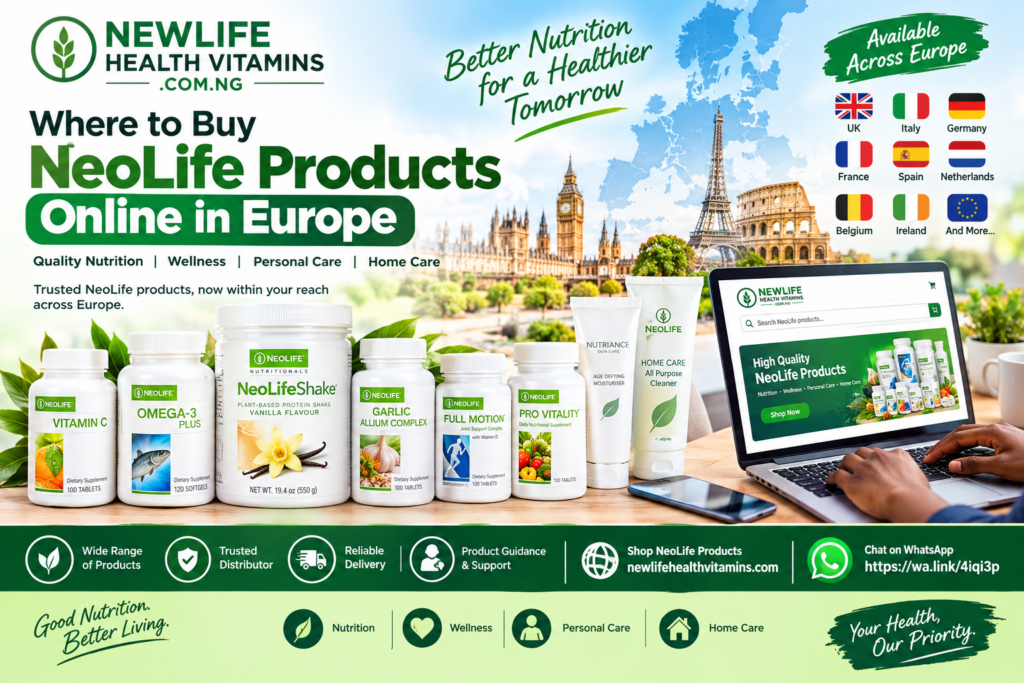
9. Exploring NeoLife Nutrition Products Responsibly
If you are researching NeoLife products, you can explore the brand’s nutrition range and compare the information for individual products.
Examples of product types that customers may encounter include multinutrient formulas, omega-3 supplements, products containing carotenoids and nutritional shakes. Their ingredients and intended uses are not the same, so review each product separately.
Before deciding whether a product is suitable:
- Identify the nutrients or ingredients it contains.
- Compare its serving size and nutrient amounts with your other supplements.
- Read the warnings, allergens and directions for use.
- Check that the product is available in your country.
- Ask a qualified healthcare professional if you have a medical condition, take medication or are unsure whether you need the product.
You can also consult the official NeoLife website for company and market information. Product names, formulations, packaging, prices and availability can vary by market, so confirm current details before ordering.
No supplement should be presented as a substitute for a balanced diet or as a guaranteed way to prevent or treat disease.
10. Common Nutrition Mistakes to Avoid
Depending on One Food
No single food supplies every nutrient in the amounts needed by every individual. Aim for variety across meals and days.
Buying Supplements Based Only on Advertising
A bold claim or attractive package does not tell you whether a product is appropriate for you. Check the label and look for reliable information.
Taking Several Products With Similar Ingredients
Combining a multivitamin with separate nutrient supplements can increase your total intake. Compare the labels before combining products.
Assuming Everyone Needs the Same Supplements
Nutritional requirements vary. A product that is suitable for one person may not be necessary or appropriate for another.
Ignoring Persistent Symptoms
Symptoms such as ongoing tiredness can have many possible causes. Do not assume that you need a vitamin supplement without considering other explanations and seeking professional advice when appropriate.
Frequently Asked Questions
Can food alone provide enough vitamins and minerals?
A varied and balanced diet can provide many people with most of the nutrients they need. However, requirements vary, and some people may need fortified foods or supplements because of their diet, life stage, medical circumstances or professional advice.
Which everyday foods contain the most vitamins?
Different foods provide different nutrients. Vegetables, fruit, legumes, whole grains, nuts, seeds, eggs, dairy products, fish and fortified foods can all contribute vitamins. There is no single food that supplies every vitamin in the amounts everyone needs.
Should I take a multivitamin every day?
Not everyone needs a daily multivitamin. Whether one is appropriate depends on your dietary pattern, individual needs and circumstances. Ask a qualified healthcare professional if you are uncertain.
Are supplements better than getting nutrients from food?
Supplements and foods serve different roles. A supplement can help meet a particular nutritional need, but it does not replace the range of nutrients and other components available from a varied diet.
Can I take NeoLife products with other vitamins?
That depends on the products and their ingredients. Check for overlapping nutrients and consult a pharmacist or doctor if you take medication, have a medical condition or are unsure about your total intake.
Where can I find reliable information about vitamins and minerals?
The World Health Organization and European Food Safety Authority publish reliable general nutrition information. A qualified healthcare professional can help you understand your individual requirements.
Where can I ask about NeoLife products in Europe?
Visit NewLife Health Vitamins or contact Rafiya at +39 380 264 7686 through WhatsApp to ask about product information, availability, prices and delivery arrangements.
Explore NeoLife Products Through NewLife Health Vitamins
Understanding vitamins and minerals in everyday foods is a useful starting point for building a balanced nutrition routine. If you are also exploring supplements, take time to compare product labels and confirm that the product is appropriate for your circumstances.
Click NeoLife Products to order securely online. But if you prefer WhatsApp, contact Rafiya at +39 380 264 7686.
Requirements for Ordering
Please provide:
- Name
- Telephone number
- Delivery date
- Address and pick-up location
Send your order details to Rafiya on WhatsApp.
Please confirm the product, current price, availability and delivery options for your location before completing your purchase.
Important Information
This article is for general educational purposes and does not replace medical advice. Food supplements should not be used to diagnose, treat, cure or prevent disease. Individual nutritional requirements vary, and some supplements may interact with medicines or be unsuitable for certain people.
Always read the current product label and consult an appropriately qualified healthcare professional if you have a medical condition, take medication, are pregnant or breastfeeding, or have concerns about a possible nutritional deficiency.
Product formulations and availability may vary between countries. Confirm the details for your market before ordering.
Conclusion
Vitamins and minerals in everyday foods are an important part of balanced nutrition. Including a variety of vegetables, fruit, whole grains, legumes, nuts, suitable protein sources and fortified foods can help you build a practical eating pattern.
Food alone may meet many people’s nutritional needs, but individual circumstances matter. If you think you may need a supplement, check reliable guidance, review the product label and seek professional advice when appropriate.
NewLife Health Vitamins can help you enquire about NeoLife products and current ordering arrangements in Europe.
Suggested Internal Links
Add links to relevant published pages on your website:
- Healthy Living and Nutrition in Europe: A Practical Everyday Guide
- NeoLife Vitamins and Supplements in Europe: A Customer Guide
- How to Read Vitamin and Supplement Labels Before Buying
- Where to Buy NeoLife Products Online in Europe
- NeoLife Nutrition Products in Italy: A Customer Guide
- NeoLife Nutrition Products in Germany: What Customers Should Know
- NeoLife Nutrition Products in France: Online Buying Guide
- NeoLife Nutrition Products in Spain: A Guide for Customers