
Healthy Living and Nutrition in Europe: Where Should You Start?
Healthy living and nutrition in Europe begin with everyday habits that support a balanced lifestyle. These include eating a variety of nutritious foods, staying physically active, drinking enough water and developing routines that fit your needs.
Whether you live in Italy, France, Germany, Spain, the Netherlands, Belgium, Ireland or another European country, you can make practical choices without following an extreme diet or changing your entire lifestyle overnight.
The World Health Organization recommends a varied diet that includes vegetables, fruit, legumes, nuts and whole grains. It also emphasizes balance, moderation and diversity in healthy eating. Read the WHO guidance on healthy diets for more information.
This guide explains how to build everyday nutrition habits, understand the role of nutritional supplements and explore NeoLife products responsibly.
What Does Healthy Living and Nutrition Mean?
Healthy living is a combination of everyday choices rather than one product, meal or routine.
A balanced approach can include:
- Eating a variety of nutritious foods.
- Including vegetables and fruit regularly.
- Choosing whole grains and other fibre-containing foods.
- Eating suitable sources of protein.
- Drinking water throughout the day.
- Moving your body regularly.
- Maintaining a consistent sleep routine.
- Making realistic changes you can sustain.
Individual needs vary according to age, activity, health circumstances, food preferences and cultural practices. A routine that works for one person may not be suitable for another.
1. Build a Balanced Everyday Diet
A varied diet helps provide the energy, protein, vitamins, minerals and other nutrients your body needs.
Eat a Variety of Vegetables and Fruit
Include different vegetables and fruits throughout the week. Fresh, frozen and appropriately preserved options can all contribute to a varied diet.
Examples include apples, oranges, berries, carrots, leafy greens, tomatoes, broccoli and seasonal produce available where you live.
Choose Whole Grains and Fibre-Rich Foods
Oats, whole-grain bread, brown rice, beans, lentils and other legumes can contribute fibre and other nutrients.
The WHO recommends that adults and children older than 10 aim for at least 400 grams of vegetables and fruit daily, alongside other recommendations for a healthy diet. Individual requirements may differ.
Include Suitable Protein Sources
Depending on your preferences, protein sources can include beans, lentils, eggs, fish, poultry, dairy products, tofu and other foods.
Pay Attention to Balance
No single food provides everything you need. Variety across meals and days is generally more useful than relying on one food or supplement.
2. Make Hydration Part of Your Routine
Hydration is an important part of everyday wellbeing. Water is a practical choice for regular hydration, although fluid needs vary according to activity, weather, diet and individual circumstances.
Simple habits can help:
- Keep water available during the day.
- Drink regularly, particularly during physical activity.
- Consider your fluid needs during hot weather.
- Choose beverages with awareness of their sugar and caffeine content.
People with medical conditions that affect fluid requirements should follow advice from their healthcare professional.
3. Stay Physically Active
Physical activity can include walking, cycling, swimming, dancing, gardening, sports or structured exercise.
You do not necessarily need an elaborate gym routine to become more active. Walking to nearby destinations, taking movement breaks and choosing activities you enjoy can help you establish consistency.
The WHO recommends that adults generally aim for 150–300 minutes of moderate-intensity aerobic activity per week, or an equivalent amount of vigorous activity, alongside muscle-strengthening activities on at least two days per week.
You can read more in the WHO European recommendations for everyday health.
If you are new to exercise or have health concerns, start at a suitable level and seek professional advice where necessary.
4. Develop a Sustainable Sleep Routine
Sleep is another part of a balanced lifestyle. Helpful habits may include maintaining regular sleeping and waking times, creating a comfortable sleep environment and limiting activities that interfere with your rest.
Caffeine-containing drinks late in the day may affect some people’s sleep. If you use products containing caffeine, check the label and consider your individual sensitivity.
Persistent sleep difficulties may require advice from a qualified healthcare professional.
5. Do You Need Nutritional Supplements?
Nutritional supplements may be useful in some circumstances, but not everyone needs the same products.
Your requirements depend on factors such as your diet, age, lifestyle, health status and whether a healthcare professional has identified a particular nutritional need.
Before choosing a supplement, consider:
- What nutrients the product contains.
- Whether you already obtain those nutrients from food or other supplements.
- The serving instructions and warnings on the label.
- Whether the product is appropriate for your circumstances.
- Whether it is currently available in your country.
Supplements should not automatically replace a varied diet, and taking more than the recommended serving is not a shortcut to better nutrition.
For independent European nutrition information, visit the European Food Safety Authority’s nutrition guidance.
6. Understanding NeoLife Products in an Everyday Nutrition Routine
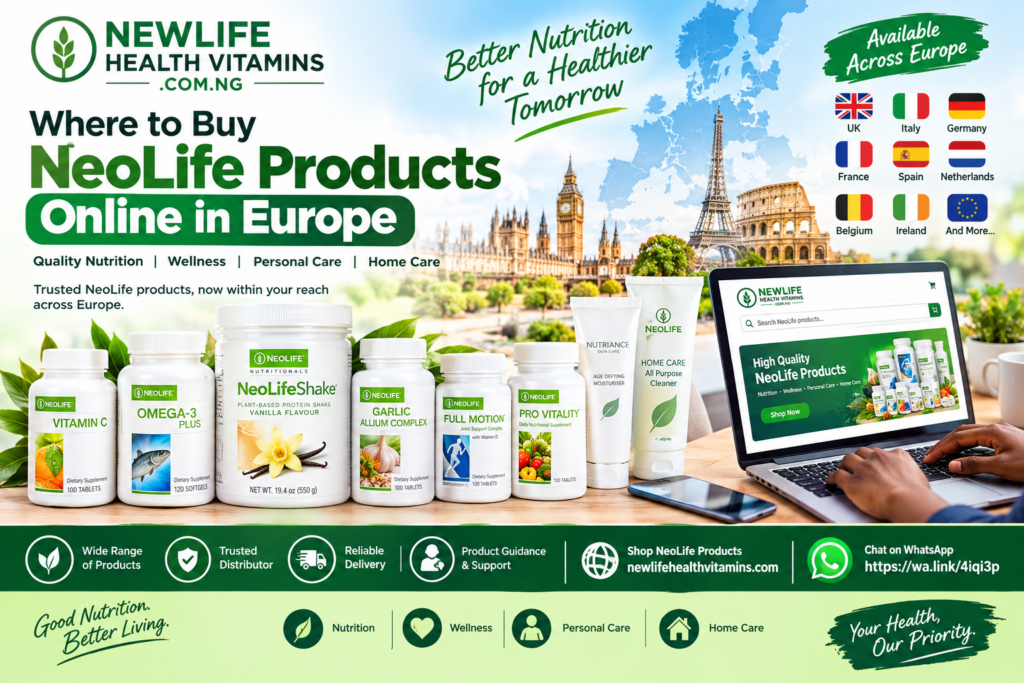
NeoLife offers nutritional products that customers may explore according to their individual interests and needs. Examples available within its product range may include:
Pro Vitality
Pro Vitality is a NeoLife nutrition product that customers can explore when researching the brand’s daily nutrition range.
Review its current ingredient list, nutrition information and serving instructions before deciding whether it fits your routine.
NeoLifeShake
NeoLifeShake is a shake product that customers may consider when looking for a convenient nutritional option.
Check the current label for ingredients, nutritional information, preparation instructions and any relevant allergen information.
Omega-3 Plus
Omega-3 Plus is an omega-3 nutritional supplement. Customers interested in omega-3 products should review the current source of omega-3, serving information and product directions.
Carotenoid Complex
Carotenoid Complex is a NeoLife nutritional supplement associated with carotenoids. Check the current label for its ingredients and recommended use.
Important: Product formulations, packaging, names and availability may vary between markets. These products should not be presented as treatments for disease or as substitutes for a balanced diet. Confirm current details for your country before ordering.
7. Healthy Living Across European Countries
Healthy eating does not have to look identical throughout Europe. Food traditions, prices, seasonal produce and individual preferences all influence everyday meals.
Italy
Build meals around a variety of vegetables, legumes, grains and suitable protein sources. Olive oil, fish and other familiar foods can fit into a balanced pattern according to individual needs.
France
A varied eating routine can include vegetables, fruit, whole grains, legumes, dairy products and suitable protein sources, with attention to portions and overall balance.
Germany
Oats, whole-grain bread, potatoes, vegetables, legumes and other locally available foods can help create practical meals.
Spain
Seasonal vegetables, fruit, legumes, grains and suitable protein sources can be included in a varied everyday diet.
The Netherlands and Belgium
Plan convenient meals using vegetables, whole grains, fruit, legumes and appropriate protein sources. Frozen vegetables and other convenient ingredients may help on busy days.
Ireland and Other European Countries
Choose foods that suit your local availability, cultural preferences, budget and nutritional needs. The basic principles of variety, balance and moderation can be adapted to different food traditions.
These are examples, not country-specific medical diets. Choose foods and portions that suit your individual circumstances.
8. Create a Simple Daily Nutrition Plan
You can use the following example as a starting point and adjust it to your needs.
Breakfast: Oats with fruit and yogurt, or eggs with whole-grain bread.
Lunch: Vegetables, a suitable protein source and whole grains, potatoes or another carbohydrate source.
Snack: Fruit, yogurt, nuts or another suitable option if you need a snack.
Dinner: Vegetables with beans, fish, poultry, tofu or another protein source, alongside a suitable side dish.
Drinks: Water regularly throughout the day.
Movement: Take a walk, cycle, exercise or choose another activity that suits your ability and schedule.
This is an illustrative routine, not an individualized meal plan. People with specific nutritional requirements may need a different approach.
9. Common Nutrition Mistakes to Avoid
Some common habits can make it harder to maintain a balanced routine.
Relying on One Product
No single supplement or shake provides a complete solution for every nutritional need.
Making Extreme Dietary Changes
Highly restrictive eating patterns may be difficult to maintain and may not provide all the nutrients you need.
Ignoring Product Labels
Always check ingredients, allergens, serving instructions, warnings and market-specific information.
Expecting Immediate Results
Healthy habits are built over time. Be cautious about products or programs promising guaranteed results.
Following Advice Without Checking Its Source
Use reliable resources such as WHO, EFSA and qualified healthcare professionals when researching nutrition questions.
10. How to Choose NeoLife Products in Europe
If you are considering NeoLife products, use these steps to make a more informed decision.
- Identify your needs. Decide what type of product you are researching.
- Read the label. Check ingredients, nutritional information and serving directions.
- Check availability. Product ranges can differ between European markets.
- Ask about current pricing. Confirm the price before placing an order.
- Confirm delivery. Ask whether delivery is available to your country and address.
- Seek professional guidance where needed. This is particularly important if you take medication, have a medical condition, are pregnant or breastfeeding, or have specific dietary needs.
You can explore the official NeoLife website for company and market information, then confirm the details of the particular product you want.
Frequently Asked Questions
What is healthy living and nutrition?
Healthy living and nutrition involve everyday habits such as eating a varied diet, staying active, drinking enough water and maintaining a sustainable routine suited to your needs.
What should I eat for better everyday nutrition?
A varied diet can include vegetables, fruit, whole grains, legumes, nuts and suitable protein sources. Your exact needs depend on your circumstances and dietary preferences.
Do I need nutritional supplements every day?
Not everyone needs daily supplements. Whether one is appropriate depends on your diet, individual requirements and professional advice where relevant.
Can NeoLife products replace a balanced diet?
NeoLife nutritional products should not automatically be treated as replacements for a varied diet. Follow the product label and consider your overall nutritional needs.
Are NeoLife products available throughout Europe?
NeoLife lists multiple European markets, but specific products and ordering arrangements can vary. Confirm current availability for your destination before ordering.
How can I order NeoLife products in Europe?
You can explore available products online and contact Rafiya to ask about product availability, prices and delivery arrangements.
Where can I find reliable nutrition advice?
The World Health Organization and the European Food Safety Authority provide public nutrition information. For advice tailored to your health or dietary needs, consult an appropriately qualified healthcare professional.
Order NeoLife Products Through NewLife Health Vitamins
If you are exploring NeoLife products in Europe, NewLife Health Vitamins can help you enquire about available products and ordering arrangements.
Click NeoLife Products to order securely online. But if you prefer WhatsApp, contact Rafiya at +39 380 264 7686.
Requirements for Ordering
Please provide:
- Name
- Telephone number
- Delivery date
- Address and pick-up location
Send your order details to Rafiya on WhatsApp.
Confirm current product availability, price and delivery arrangements for your destination before placing your order.
Important Information
This article is for general educational purposes and is not medical advice. Nutritional products are not intended to diagnose, treat, cure or prevent diseases unless an authorized product label specifically permits a relevant claim.
Individual nutritional requirements vary. Consult an appropriately qualified healthcare professional if you have a medical condition, take medication, are pregnant or breastfeeding, or have specific dietary requirements.
Product formulations, packaging, ingredients and availability may vary by market. Always check the current label applicable to your country.
Conclusion
Healthy living and nutrition in Europe start with practical, sustainable habits: eat a variety of nutritious foods, stay active, drink water regularly and build routines that suit your circumstances.
NeoLife products may be one option to explore within a broader nutrition routine, but choosing products carefully and checking current labels and local availability are essential.
For NeoLife product enquiries, current pricing and delivery information, contact Rafiya through NewLife Health Vitamins.
- What Are NeoLife Nutrition Products? A Guide for European Customers
- NeoLife Vitamins and Supplements: What European Customers Should Know
- Where to Buy NeoLife Products Online in Europe
- NeoLife Omega-3: A Guide to Omega-3 Nutrition
- NeoLifeShake: A Guide to Convenient Nutrition for European Customers
- Healthy Living & Nutrition
- NeoLife Nutrition & Wellness
- Frequently Asked Questions