
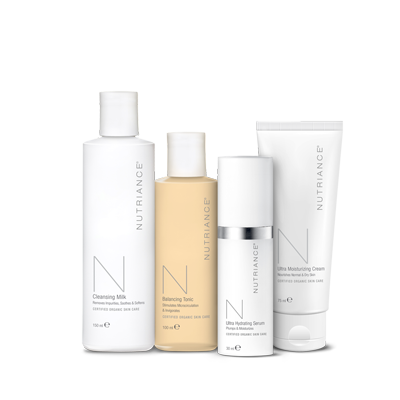
Nutriance Organic Skincare for Oily and Combination Skin: A Practical Guide for European Customers
Introduction
Oily and combination skin can make choosing skincare products confusing. Some people experience a shiny forehead, nose and chin, while other areas of their face feel dry or comfortable. Others notice that their skin becomes oilier during warm weather or after physical activity.
The good news is that an effective everyday routine does not need to involve dozens of products. Gentle cleansing, suitable moisturising and consistent sun protection are useful starting points.
For customers exploring Nutriance Organic Skincare, understanding your skin’s needs can help you make more informed product choices. At NewLife Health Vitamins, European customers can explore available products and ask about current availability and ordering options.
Understanding Oily and Combination Skin
Before choosing skincare, it helps to understand the difference between these skin types.
What is oily skin?
Oily skin produces more sebum, the natural oil that helps protect the skin. Common characteristics include:
- A noticeable shine, especially across the forehead, nose and chin.
- Pores that appear more prominent.
- Makeup that may wear off more quickly.
- A tendency to experience clogged pores or blemishes.
Oily skin still needs gentle care. Trying to remove every trace of natural oil through frequent washing can cause irritation and discomfort.
What is combination skin?
Combination skin typically has both oily and normal or dry areas. The forehead, nose and chin may be oily, while the cheeks feel normal or dry.
This means a single product may not feel equally comfortable across the entire face. A balanced routine can help you care for different areas without overcomplicating your skincare.
What Is Nutriance Organic Skincare?
Nutriance Organic is a skincare range associated with NeoLife. Customers considering the range should review each product’s current packaging, ingredient list and intended use.
Do not assume that every product is formulated specifically for oily or combination skin. Suitability depends on the individual formulation, and products or labels may vary between markets.
Also, the word organic in a product name does not automatically prove a particular certification or guarantee a specific skincare result.
Before purchasing, check whether the product is intended for your skin type and whether its ingredients are suitable for your individual needs.
How to Build a Simple Skincare Routine for Oily Skin
Step 1: Cleanse gently
Wash your face with a gentle cleanser appropriate for your skin. Avoid aggressive scrubbing and repeated washing throughout the day.
Cleansing in the morning and evening is a reasonable starting point for many people, with additional gentle cleansing after heavy sweating when appropriate.
If your skin feels tight, stings or becomes irritated after washing, reconsider whether the cleanser is too harsh.
Step 2: Choose a suitable moisturiser
Oily skin can still become dehydrated or feel uncomfortable. Skipping moisturiser automatically because your skin produces oil is not necessary.
Look for a moisturiser labelled as suitable for oily or combination skin. A lighter texture may feel more comfortable for some people, but the best choice depends on your skin’s response to the product.
Step 3: Apply sunscreen
Use broad-spectrum sunscreen with SPF 30 or higher during daytime exposure. If you dislike a heavy feeling, look for a sunscreen labelled as suitable for your skin type.
Apply and reapply according to the product instructions, especially after swimming, sweating or towel drying.
Step 4: Keep your routine consistent
Avoid changing every product at once. Introduce one new item at a time so you can better identify whether it suits your skin.
A Skincare Routine for Combination Skin
Combination skin may benefit from a flexible approach.
Foroily areas: Use a gentle cleanser and consider lightweight products that feel comfortable without leaving excessive residue.
Fo normal areas: Maintain a straightforward cleansing and moisturising routine.
For dry areas: Use a suitable moisturiser and avoid aggressive cleansing or scrubbing.
Forthe whole face: Apply sun protection according to the label.
You do not necessarily need separate products for every part of your face. Start with a small number of suitable products and adjust only if needed.
Common Skincare Mistakes to Avoid
1. Washing your face too frequently
Repeated washing can irritate the skin and make your routine uncomfortable. Cleanse gently rather than trying to eliminate all natural oil.
2. Skipping moisturiser
Oil production does not mean that your skin never needs moisturising. Choose a product appropriate for your skin and observe how it responds.
3. Scrubbing away shine
Harsh scrubs and excessive exfoliation can irritate skin. Gentle cleansing is generally a better foundation for daily care.
4. Buying products based only on marketing claims
Terms such as “natural,” “organic” or “deep cleansing” do not tell you everything about a product’s formulation or suitability. Read the label and understand the intended use.
5. Expecting cosmetic products to cure acne
A skincare routine may support everyday skin care, but persistent or severe acne may require professional assessment. Do not assume a cosmetic product will treat an underlying skin condition.
Caring for Oily and Combination Skin in Europe
European customers experience different climates, from cold and dry winters to warm and humid summers. Your skin may respond differently as conditions change.
During winter
Cold air, wind and indoor heating can leave some skin areas feeling dry, even when the T-zone remains oily. Continue cleansing gently and use moisturiser where needed.
During summer
Warm weather and sweating may make skin appear shinier. Cleanse after heavy sweating when appropriate, and continue using sunscreen.
When travelling
Keep your routine simple and follow storage instructions for your products. Changes in climate, water and daily habits may affect how comfortable your skin feels.
During outdoor activities
Use suitable sun protection and consider shade, protective clothing and other sun-safety measures.
How to Choose Nutriance Organic Skincare Products
Before ordering a product, use this checklist:
- Confirm the product name: Make sure the product matches your intended use.
- Read the ingredients: Check for ingredients you know may irritate your skin.
- Review the instructions: Follow the recommended amount and frequency of application.
- Check the intended skin type: Do not assume a product suits oily or combination skin without checking.
- Introduce it gradually: Avoid starting several unfamiliar products at once.
- Confirm availability: Ask about current stock, pricing and delivery to your country.
For European customers, the European Commission’s cosmetics information explains the regulatory framework for cosmetic products. The EU Cosmetics Regulation provides further information on relevant product requirements.
Patch Testing a New Skincare Product
Even a product that works well for one person may irritate another person’s skin.
When trying a new product:
- Read the manufacturer’s instructions and warnings.
- Follow any recommended patch-testing procedure.
- Observe the test area for signs of irritation over the recommended period.
- Stop using the product if a reaction develops.
A patch test cannot guarantee that a product will never cause a reaction. Seek professional advice if irritation persists or becomes severe. Sudden swelling of the face or throat or difficulty breathing requires emergency medical attention.
Frequently Asked Questions
1. Is Nutriance Organic Skincare suitable for oily skin?
Suitability depends on the specific product and its formulation. Check the current product label and intended use before deciding whether it fits your routine.
2. Should people with oily skin use moisturiser?
Many people with oily skin can benefit from moisturising. Choose a product that feels comfortable and is appropriate for your skin type.
3. How often should I wash my face?
A gentle morning and evening routine is a reasonable starting point for many people. Avoid excessive washing, and cleanse appropriately after heavy sweating.
4. Can combination skin use the same products as oily skin?
Sometimes, but not every product will suit both skin types equally. Consider how different areas of your face respond and adjust your routine where necessary.
5. Does organic skincare prevent skin irritation?
No. Organic wording does not guarantee that a product is free from allergens or potential irritants. Always review ingredients and follow product instructions.
6. Where can I ask about Nutriance Organic Skincare in Europe?
Visit NewLife Health Vitamins or contact Rafiya through WhatsApp to ask about available products, prices and delivery options.
Explore Skincare Products at NewLife Health Vitamins
Managing oily or combination skin starts with understanding your skin, choosing suitable products and maintaining a consistent routine. You do not need to remove every trace of oil or purchase a large collection of skincare items.
If you are interested in Nutriance Organic Skincare, review the current product details and confirm suitability before ordering.
Visit NewLife Health Vitamins to explore available products.
Prefer to order through WhatsApp? Contact Rafiya at +39 380 264 7686 using this WhatsApp link.
Information to Include When Ordering
Please provide:
- Name
- Telephone number
- Preferred delivery date
- Address and pick-up location
Send your order details to Rafiya on WhatsApp.
Product availability, formulations, prices and delivery arrangements may vary by country. Please confirm these details before placing your order.
Disclaimer
This website is operated by an independent distributor and is not the official NeoLife corporate website unless expressly stated. It is not endorsed by or affiliated with Google or Facebook/Meta. This article is for general educational purposes and is not a substitute for personalised medical advice, diagnosis or treatment. Skincare cosmetics should not be assumed to treat medical skin conditions. Always read and follow product instructions, discontinue use if irritation occurs, and consult an appropriate healthcare professional about persistent or severe skin symptoms.