
Healthy Weight Management in Europe: A Practical Nutrition Guide
Healthy weight management in Europe is not about following an extreme diet or trying to achieve rapid changes. A more sustainable approach combines balanced nutrition, regular physical activity, appropriate portions, hydration, sleep and consistent everyday habits.
For people living in Italy, Germany, France, Spain, the Netherlands, Belgium, Austria, Switzerland, Ireland and other European countries, everyday food choices can vary considerably. However, the basic principles of a balanced diet remain similar.
The World Health Organization recommends a varied diet based on foods such as vegetables, fruits, legumes, whole grains, nuts and appropriate sources of protein, while limiting excessive amounts of free sugars, unhealthy fats and salt.
What Does Healthy Weight Management Mean?
Healthy weight management means developing eating and lifestyle habits that can be maintained over time.
It is different from a short-term crash diet.
A sustainable approach can include:
- Eating a variety of nutritious foods
- Paying attention to portion sizes
- Including protein and fibre in meals
- Eating plenty of vegetables and fruit
- Choosing whole grains and other minimally processed foods
- Staying physically active
- Drinking enough fluids
- Getting adequate sleep
- Limiting foods and drinks high in free sugars
- Building consistent eating routines
Body weight can be influenced by many factors, including food intake, physical activity, genetics, environment and lifestyle. WHO describes overweight and obesity as complex conditions influenced by multiple factors rather than simply individual food choices.
Why Everyday Nutrition Matters
A healthy weight-management routine begins with the foods you regularly eat.
Instead of focusing only on calories or eliminating entire food groups, consider the overall quality and balance of your meals.
A balanced meal can include:
1. Vegetables and Fruit
Vegetables and fruits provide fibre and a range of vitamins, minerals and other nutrients.
WHO recommends that adults and children over 10 aim for at least 400 grams of vegetables and fruit per day.
Examples include:
- Apples
- Berries
- Oranges
- Tomatoes
- Carrots
- Spinach
- Broccoli
- Peppers
- Cabbage
- Seasonal European produce
Fresh, frozen and appropriately prepared vegetables and fruits can all contribute to a varied diet.
2. Protein-Rich Foods
Protein can be included through foods such as:
- Fish
- Eggs
- Poultry
- Beans
- Lentils
- Chickpeas
- Yogurt
- Other dairy products
- Nuts and seeds
The best choices depend on individual dietary preferences, cultural habits and nutritional needs.
3. Whole Grains and Other High-Fibre Foods
Whole grains can provide carbohydrates and naturally occurring dietary fibre.
Examples include:
- Oats
- Whole-grain bread
- Brown rice
- Whole-grain pasta
- Barley
- Rye
- Whole grains used in traditional European meals
WHO recommends at least 25 grams of naturally occurring dietary fibre per day for people over 10, while emphasizing varied food sources.
Portion Awareness and Weight Management
Even nutritious foods can contribute significant energy when eaten in very large portions.
Portion awareness does not necessarily mean weighing every food you eat.
Simple habits can help, such as:
- Eating slowly
- Paying attention to hunger and fullness
- Using appropriately sized plates
- Including vegetables in main meals
- Avoiding automatically going back for another serving
- Planning snacks rather than eating continuously throughout the day
The goal is to create eating habits that are practical enough to continue.
Physical Activity Should Be Part of the Routine
Nutrition is only one part of healthy weight management.
Physical activity can include much more than going to a gym.
For example:
- Walking
- Cycling
- Swimming
- Dancing
- Running
- Strength training
- Playing sports
- Taking the stairs
- Gardening
- Active household activities
WHO/Europe recommends that adults aged 18–64 aim for 150–300 minutes of moderate-intensity aerobic activity per week, or an equivalent amount of vigorous activity, with muscle-strengthening activities at least twice per week.
People who are currently inactive can work toward these levels gradually, taking their individual circumstances into account.
Hydration and Everyday Drinks
Water is an important part of everyday nutrition.
For many people, making water the primary drink can also help reduce consumption of beverages containing significant amounts of free sugars.
Useful habits include:
- Keeping water available during the day
- Drinking water with meals
- Carrying a reusable water bottle
- Choosing unsweetened drinks more often
- Checking the sugar and caffeine content of packaged beverages
Individual fluid requirements vary according to factors such as activity, climate and personal circumstances.
How NeoLife Products Can Fit Into an Everyday Nutrition Routine
NeoLife products can be considered as part of an overall nutrition routine rather than as replacements for a balanced diet.
Depending on the product and the current formulation available in a particular market, European customers may explore products such as:
- NeoLifeShake for convenient nutrition
- Pro Vitality as a daily nutrition product
- NeoLife Tea as a tea-based beverage containing naturally occurring caffeine
- Carotenoid Complex as a carotenoid-focused nutritional supplement
- Omega-3 Plus as an omega-3 product
These products should be considered alongside normal meals, rather than as a substitute for a varied diet.
For product-specific information, always check the current packaging and label for your market because formulations, serving information and availability can differ between countries.
Related NeoLife Guides
For more information, readers can also explore:
- NeoLife Products for Weight Management: A Guide for European Customers
- NeoLifeShake: A Guide to Convenient Nutrition for European Customers
- NeoLife Tea: What European Customers Should Know
- NeoLife ProVitality for Active Lifestyles: A Nutrition Guide
- NeoLife Vitamins and Supplements: What European Customers Should Know
- NeoLife Omega-3: A Guide to Omega-3 Nutrition
These articles can be internally linked from this post to create a stronger topical structure for the Fitness & Weight Management and NeoLife Nutrition & Wellness sections.
A Simple Everyday Nutrition Routine
A practical routine might look something like this:
Breakfast
Choose a balanced combination such as:
- Oats with fruit and yogurt
- Whole-grain bread with eggs and vegetables
- Greek yogurt with berries and nuts
- A suitable nutritional shake alongside other nutritious foods
Lunch
Build a meal around:
- Vegetables
- A protein source
- Whole grains or another suitable carbohydrate
- Water or an unsweetened drink
Afternoon Snack
Depending on your appetite and routine:
- Fruit
- Yogurt
- Nuts
- Vegetable-based snack
- Another suitable whole-food option
Dinner
Consider:
- Vegetables
- Fish, poultry, beans, lentils or another protein source
- Whole grains, potatoes or another suitable carbohydrate
- Water
The exact foods should reflect personal preferences, dietary requirements, culture and local availability.
Healthy Weight Management in Italy, Germany, France and Spain
Healthy weight-management principles can be applied across Europe even though food cultures differ.
Italy
Traditional foods such as vegetables, legumes, fish, whole grains and olive oil can be incorporated into a balanced eating pattern.
Germany
Customers can build meals around vegetables, whole grains, lean protein, legumes and other nutritious foods while being mindful of highly processed foods and portion sizes.
France
A varied diet can include vegetables, fruit, legumes, whole grains, fish, dairy products and other nutritious foods according to individual preferences.
Spain
Vegetables, fruit, legumes, whole grains, fish and other minimally processed foods can form part of a varied everyday eating pattern.
The objective is not to eliminate local food traditions. Instead, healthy weight management can work alongside different European cuisines.
Five Habits to Start This Week
If you want to improve your everyday nutrition, start with a few manageable changes.
1. Add More Vegetables
Include vegetables with lunch and dinner.
2. Plan Your Meals
Planning ahead can make it easier to make consistent food choices.
3. Choose Water More Often
Replace some sugary drinks with water or unsweetened alternatives.
4. Move Every Day
Walking, cycling, household activities and structured exercise can all contribute to physical activity.
5. Make Changes Gradually
A routine that can be maintained for months is generally more practical than an extreme plan that lasts only a few days.
Frequently Asked Questions
What is healthy weight management?
Healthy weight management involves maintaining sustainable eating and lifestyle habits that support an appropriate body weight. It includes balanced nutrition, physical activity and other lifestyle factors.
Can I lose weight by using NeoLife products?
NeoLife products should not be presented as guaranteed weight-loss products. Weight changes depend on many factors, including overall food intake, physical activity, lifestyle and individual circumstances.
Is NeoLifeShake a meal replacement?
How a product should be used depends on its current formulation and label instructions. Customers should check the current product packaging for their market and use it according to the stated directions.
How much fruit and vegetables should I eat?
WHO recommends at least 400 grams of vegetables and fruit per day for adults and children over 10.
How much exercise should adults get?
WHO/Europe recommends 150–300 minutes of moderate-intensity aerobic activity per week for adults aged 18–64, or an equivalent amount of vigorous activity, together with muscle-strengthening activities at least twice weekly.
Can I follow healthy weight-management habits while living in Europe?
Yes. The principles of balanced nutrition and regular activity can be adapted to different European cuisines, budgets, cultures and lifestyles.
Where can I explore NeoLife products in Europe?
NewLife Health Vitamins provides an online destination for customers interested in exploring NeoLife products and contacting Rafiya about current ordering and delivery options.
Order NeoLife Products in Europe
If you are looking for NeoLife products online in Europe, you can explore the available products through NewLife Health Vitamins.
Click NeoLife Products to order securely online. But if you prefer WhatsApp, contact Rafiya at +39 380 264 7686.
Requirements for Ordering
Please provide:
- Name
- Telephone number
- Delivery date
- Address and pick-up location
Send your order details to Rafiya on WhatsApp.
Before ordering, confirm product availability, current formulation, price and delivery options for your destination.
Important Information
NeoLife products are nutritional and wellness products and should not be presented as treatments or cures for medical conditions.
This article provides general nutrition information and is not medical advice. Individual nutritional needs vary. If you have a medical condition, are pregnant or breastfeeding, take medication, or have specific dietary requirements, speak with an appropriately qualified healthcare professional before making significant dietary changes or using nutritional supplements.
Product formulations, serving instructions and availability may vary by market. Always check the current product label and packaging applicable to your country.
Conclusion
Healthy weight management in Europe is best approached as an everyday lifestyle rather than a short-term challenge.
A varied diet, appropriate portions, regular physical activity, adequate hydration and consistent habits can provide a practical foundation for everyday wellness.
NeoLife products such as NeoLifeShake, Pro Vitality, NeoLife Tea, Carotenoid Complex and Omega-3 Plus can be explored as part of an overall nutrition routine, but they should complement—not replace—a varied and balanced diet.
For European customers interested in exploring NeoLife products and current ordering options, contact Rafiya for product availability and delivery information.
Link the relevant phrases in this article to:
- NeoLife Products for Weight Management: A Guide for European Customers
- NeoLifeShake: A Guide to Convenient Nutrition for European Customers
- NeoLife Tea: What European Customers Should Know
- NeoLife ProVitality for Active Lifestyles: A Nutrition Guide
- NeoLife Vitamins and Supplements: What European Customers Should Know
- NeoLife Nutrition Products in Italy: A Customer Guide
- NeoLife Nutrition Products in Germany: What Customers Should Know
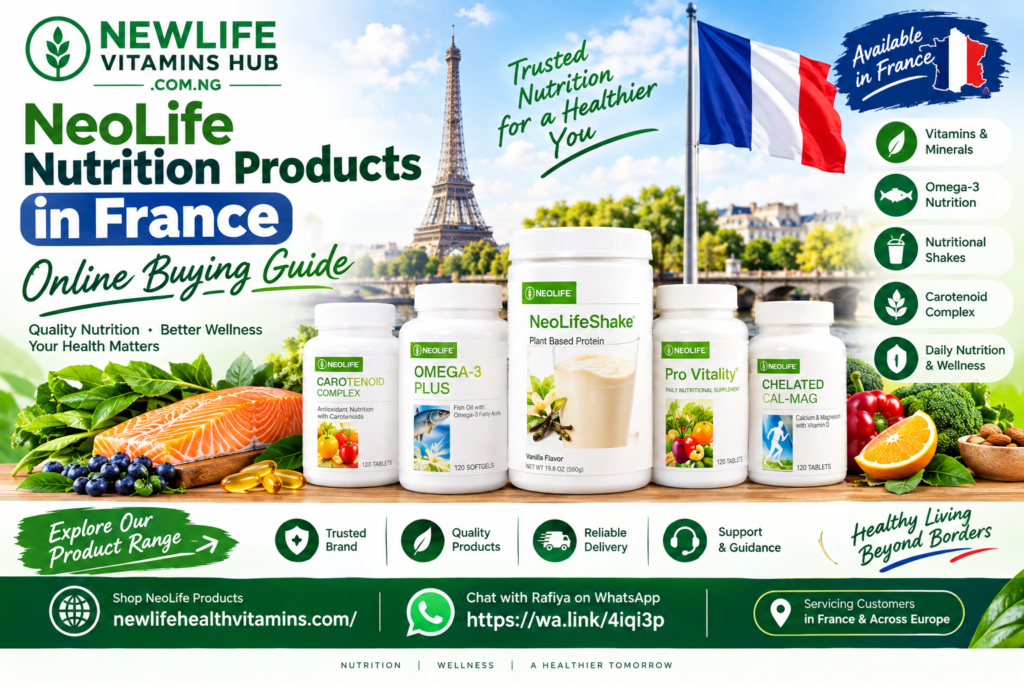
- NeoLife Nutrition Products in France: Online Buying Guide
- NeoLife Nutrition Products in Spain: A Guide for Customers
- NeoLife Nutrition & Wellness category
Recommended External Reference
Use the WHO Healthy Diet page as the authoritative external reference for the general nutrition recommendations discussed in this article.